24/7 extraction, drying and sanitizing across Tulsa County
Flood Water Cleanup Tulsa OK, Done Right the First Time
Flood Water Cleanup Tulsa OK starts with a phone call and a truck rolling to your address, day or night. We pull standing water out of basements, crawlspaces and living rooms, then dry the structure so mold never gets a foothold. Whether a burst pipe soaked your kitchen or stormwater backed into your garage, our IICRC-trained crews handle flooded home restoration Tulsa Oklahoma homeowners can actually count on.
Live dispatcherUpfront optionsBacked workmanship
What's included
What Our Flood Water Cleanup Includes
Every flood job is different, but these are the core pieces you get when you hire us for flood water cleanup in Tulsa. If your job needs something beyond this list, we tell you before we start, not after.
Emergency Water Extraction
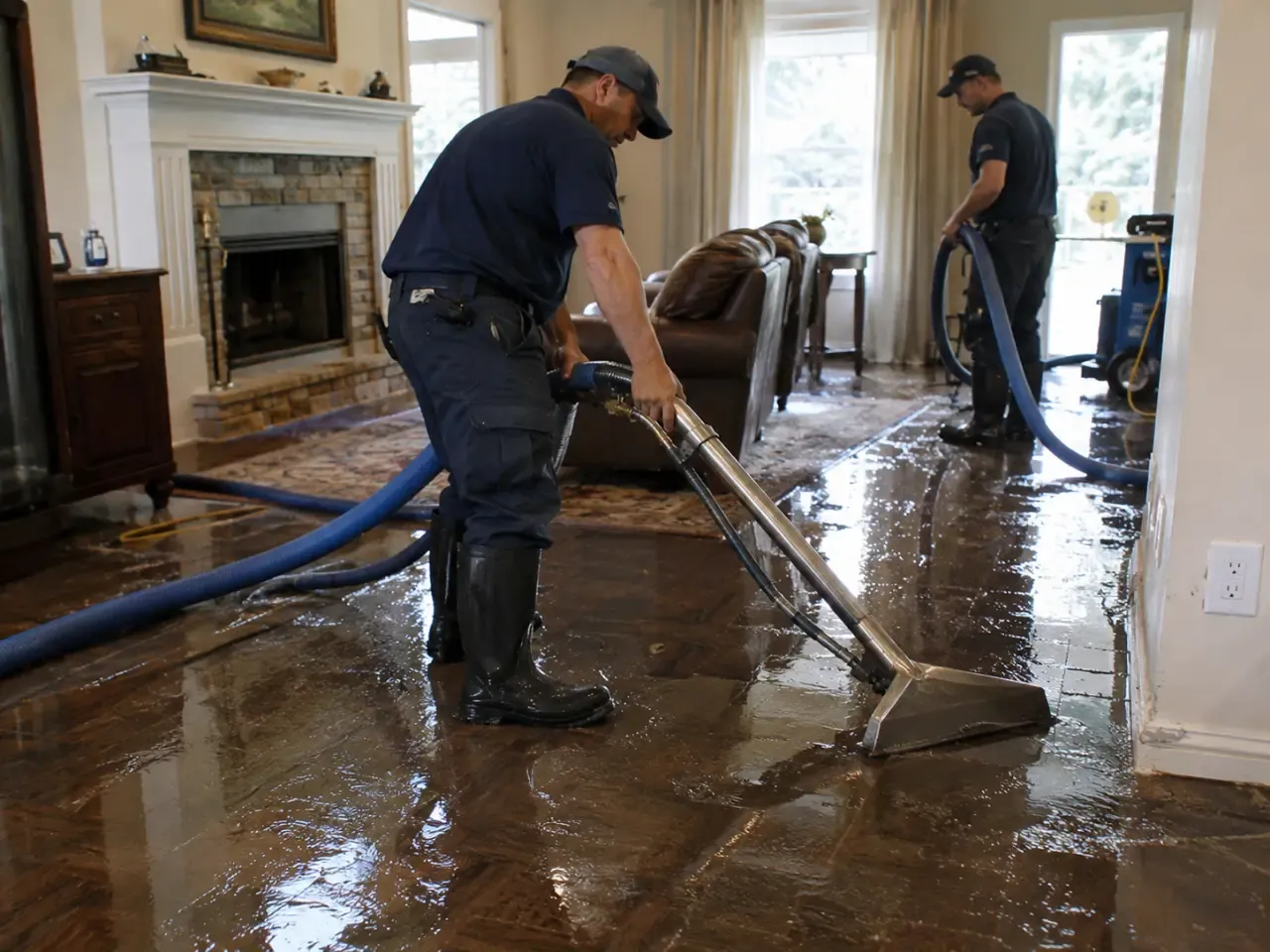
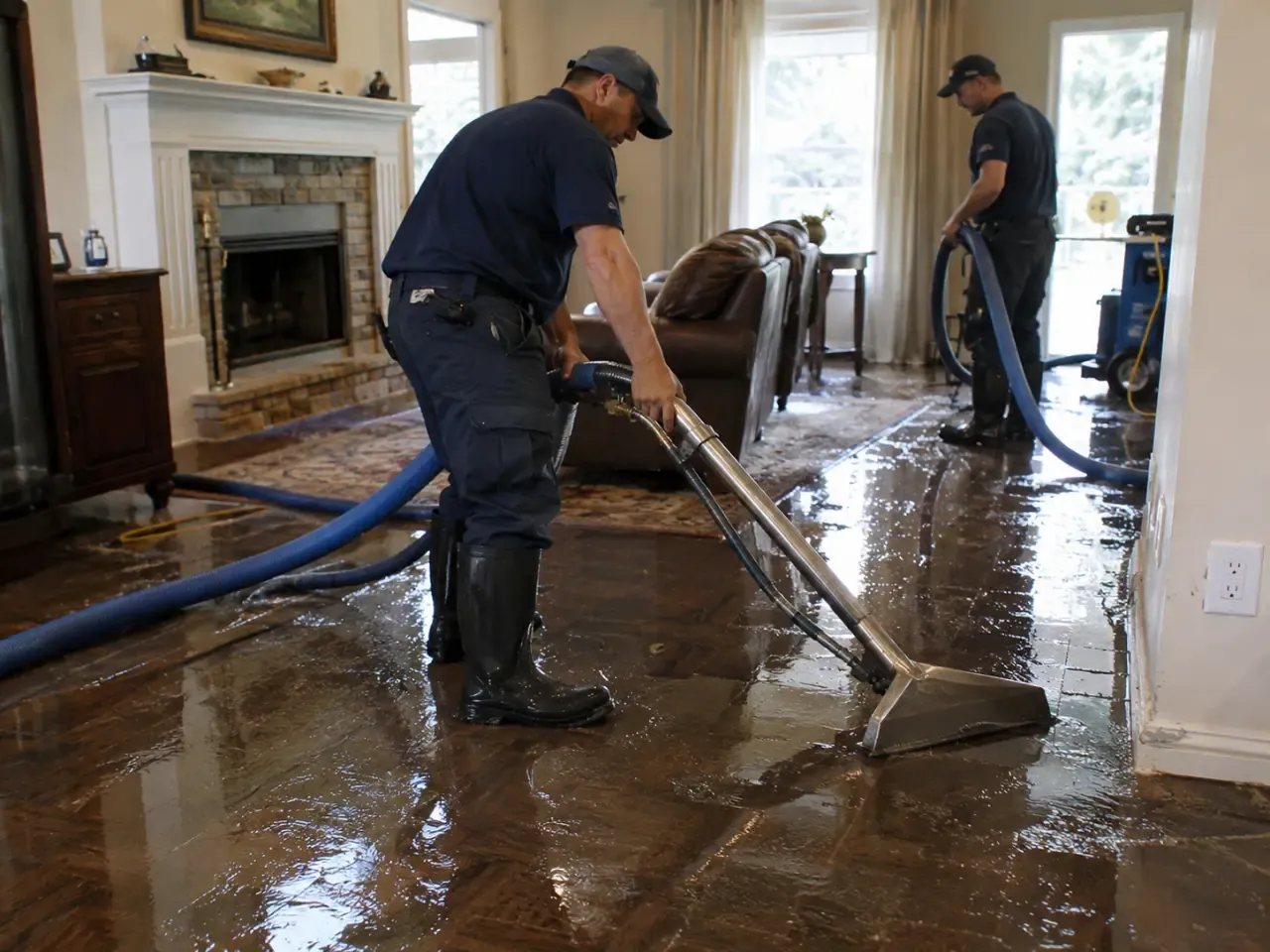
Standing water removed with submersible pumps and truck-mounted extraction units. We pull water from carpet, hardwood, tile and concrete, and we check hidden areas like crawlspaces and wall cavities before we call extraction finished.
Moisture Mapping and Documentation
Thermal imaging and pin and pinless moisture meters map exactly where water traveled. You get photos and daily readings, which is what your insurance adjuster needs to approve the claim without a second inspection.
Structural Drying Setup
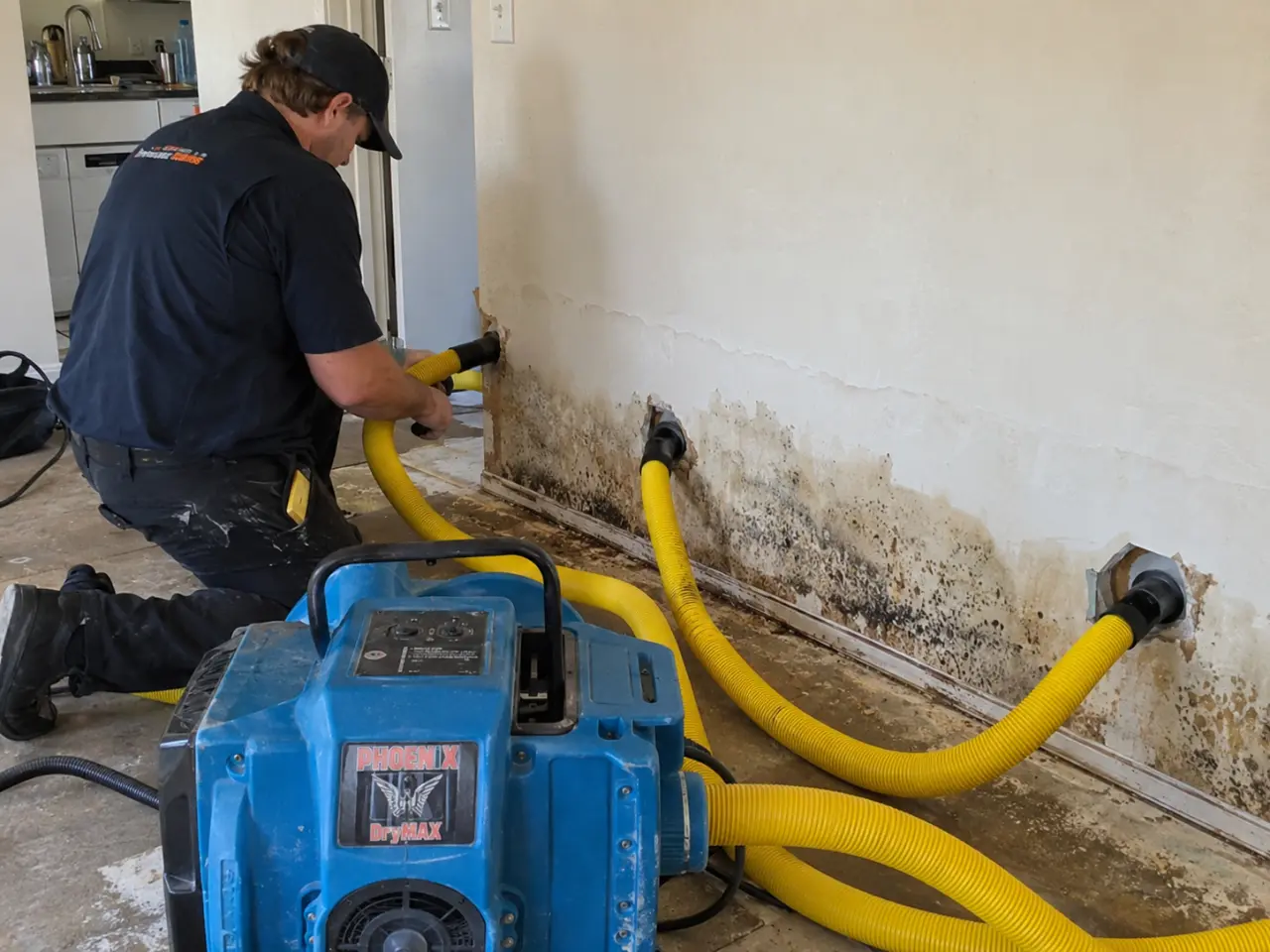
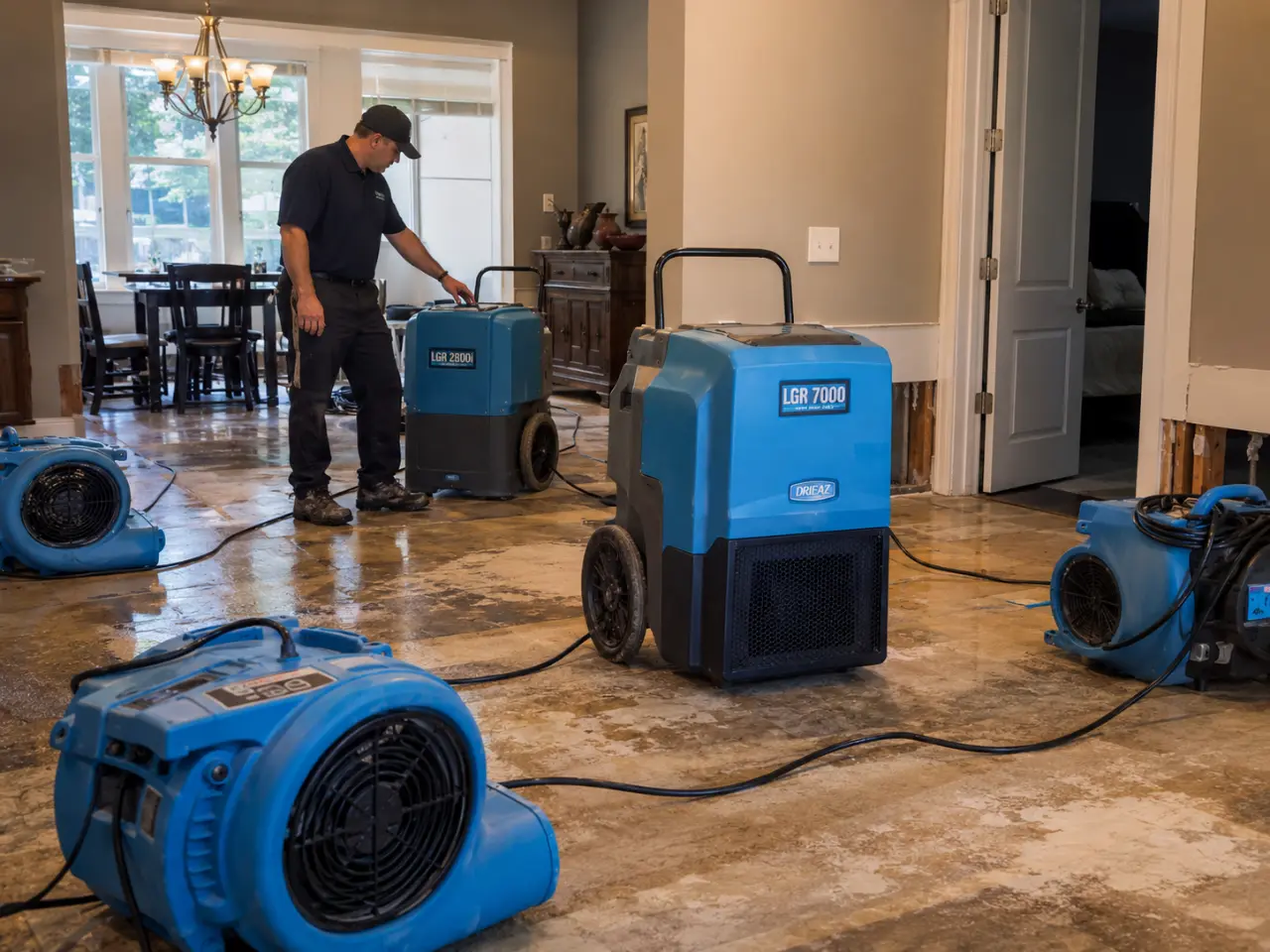
Air movers and LGR dehumidifiers positioned for maximum airflow across wet surfaces. We monitor with hygrometers and infrared thermometers and adjust the equipment layout as the structure dries, usually over 3 to 5 days.
Antimicrobial Treatment
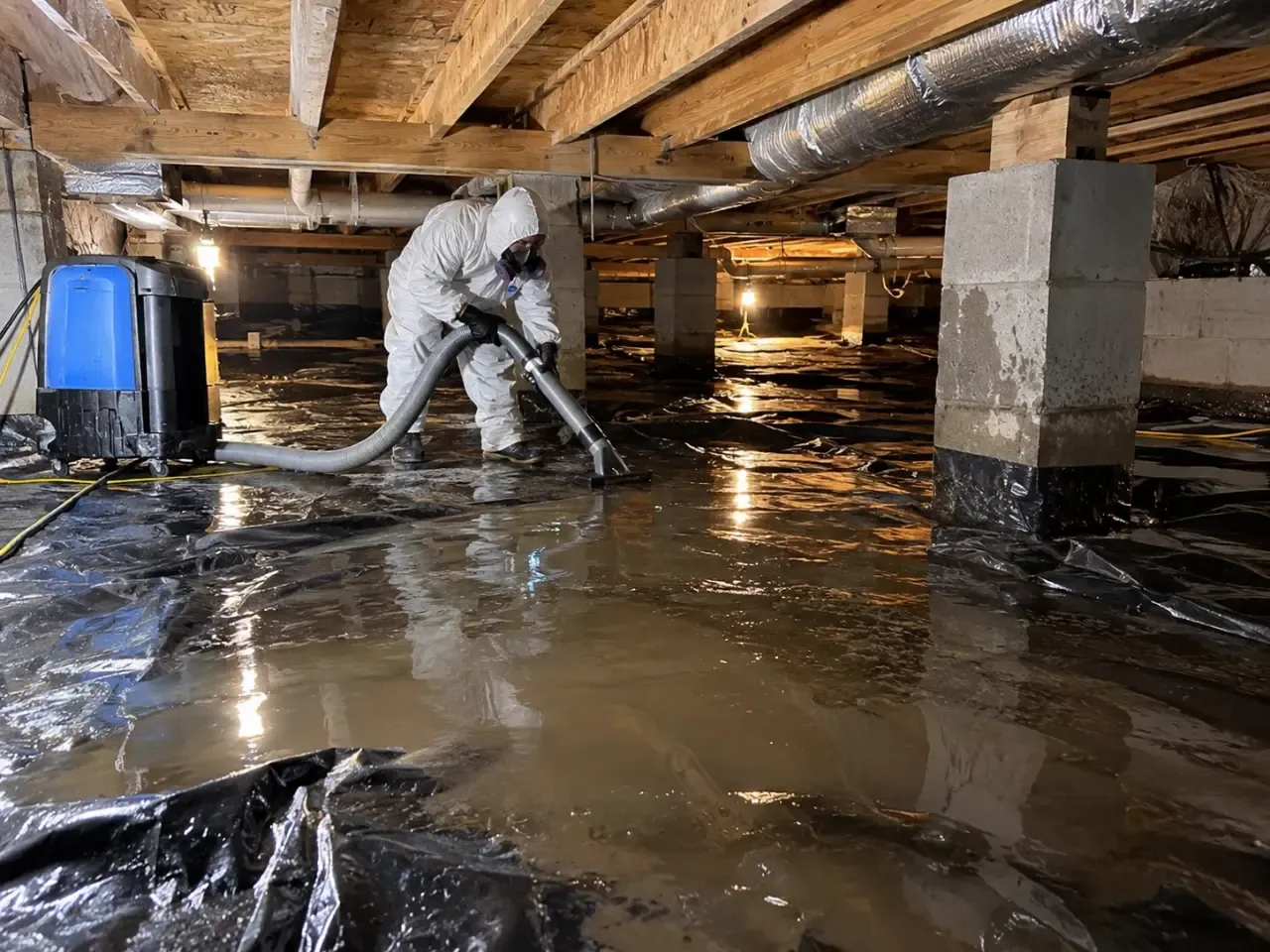
Affected framing, subflooring and wall cavities get treated with antimicrobial disinfectant. On sewage-related floods we add polyethylene containment sheeting and HEPA air scrubbers to keep contaminants out of the rest of your home.
Debris and Material Removal
Saturated carpet padding, damaged drywall and unsalvageable insulation come out and get disposed of properly. We haul it away, so you are not left with a pile of wet material in your driveway.
Final Walkthrough and Report
We walk the job with you, show final moisture readings, and leave a written summary of the work performed. If you need it for a claim or a landlord record, it is ready the same day we pull equipment.
Service overview
What Flood Water Cleanup Tulsa OK Really Involves
Flood Water Cleanup Tulsa OK is the process of removing standing water, extracting what has soaked into floors and walls, and drying a building back to its normal moisture content. It is not a shop vac and a box fan. We use truck-mounted water extraction units, submersible pumps and LGR dehumidifiers to pull hundreds of gallons out fast, then meter every wall cavity with pin and pinless moisture meters until the readings match a dry standard. Skip that step and you get warped subflooring, buckled hardwood and mold inside 24 to 48 hours.
Tulsa sits in a region where a single spring storm can drop two inches of rain in an hour, and the Arkansas River corridor floods fast. Add 100-year-old cast iron drains in Midtown and Maple Ridge, and you get basements that fill through floor drains, sump pump failures during overnight storms, and appliance lines that let go while you are at work. That is why we treat every call as a stormwater cleanup service Tulsa residents need now, not next week. Water does not wait, and neither do we.
How we workWe verify the cause, compare realistic options, and confirm the repair before we leave.
The service timeline
Our Flood Water Cleanup Process
The process flexes to the condition, but these checkpoints keep decisions clear.
Emergency Call
You call (918) 848-9096 and describe what happened. We ask about the water source, how deep it is, and whether power is still on. A crew is dispatched with extraction gear and drying equipment loaded, so we are not making a second trip for a dehumidifier.
Inspection and Metering
On arrival we map the damage with a thermal imaging camera and moisture meters. That tells us where water traveled behind baseboards and under tile, which is usually farther than it looks. You get a clear scope before any equipment is set.
Extraction and Removal
Standing water comes out first with submersible pumps and truck-mounted units. Then we pull saturated carpet padding, which almost never dries in place. A 1,200-square-foot flooded area typically takes two to four hours to extract.
Drying and Dehumidifying
We position air movers and LGR dehumidifiers to create a drying vortex across wet surfaces. Expect 3 to 5 days of run time for a typical flood, with daily moisture checks so we can adjust equipment instead of guessing.
Cleaning and Final Walkthrough
Once readings hit dry standard, we clean and sanitize affected surfaces, wipe down hard goods, and remove containment sheeting. We walk the job with you, show you the final meter readings, and leave written documentation for your records.
Tools & methods
Tools and Methods We Use
Purpose-built equipment, used by trained technicians, so the job is done accurately the first time.
Truck-mounted water extraction unit
Pulls hundreds of gallons of standing water per hour from carpet and hard surfaces. It reaches deeper into flooring than any portable unit and cuts extraction time on large floods.
Submersible pump
Used for basements and crawlspaces where water is too deep for extraction wands. It moves high volumes fast so the drying stage can begin sooner.
LGR dehumidifier (Dri-Eaz, Phoenix)
Pulls moisture out of the air so wet materials release water faster. We size the unit count to the cubic footage of the affected space, not to a fixed package.
Air mover (XPOWER, B-Air)
Creates a drying vortex across floors and walls. Placement matters more than quantity, so we reposition units as the structure dries.
Thermal imaging camera (FLIR)
Reveals temperature differences that point to hidden moisture behind walls, under floors and around window frames. It is how we find water you cannot see.
Pin and pinless moisture meter (Protimeter, Tramex)
Measures moisture content in drywall, wood and concrete. We use both types so we can check surface readings and inside wall cavities without unnecessary damage.
HEPA air scrubber
Filters airborne spores and dust during drying and any material removal. It keeps contamination from spreading to unaffected rooms through the HVAC system.
Use cases
When Tulsa Homeowners Call Us
These examples show how the service framework adapts rather than forcing every call through one repair.
Riverside Hardwood Saved After Storm
Wind-driven rain pushed water under a back door and across 300 square feet of oak hardwood. The boards were cupping at the seams within 24 hours of the storm. → Drying mats and dehumidifiers pulled moisture out of the boards and subfloor over five days. The cupping settled, and no boards had to be replaced. Moisture content dropped from 22 percent to 9 percent.
Kendall-Whittier Rental Sewage Backup
A sewer backup sent category 3 water across a rental kitchen and into a hallway. Vinyl flooring, baseboards and the bottom of one cabinet were contaminated. → Crews contained the area, removed contaminated materials, and treated the structure with antimicrobial disinfectant. HEPA scrubbers ran throughout, and the unit passed a final clean check in five days.
Problems we solve
Flood Problems We Solve for Tulsa Homes
Most Tulsa flood calls come down to a handful of causes. Here is what we see most often and what happens if each one is left alone.
Burst or leaking pipes behind walls
We use thermal imaging to trace the leak path, extract water from the cavity, and dry the framing with directed airflow. If drywall or insulation has to come out, we remove only what is damaged and document it for your claim.
Sump pump failure during an overnight storm
We pump the basement out, pull saturated carpet and padding, and dry the concrete and framing. We also check the sump pump components and discharge line so you know whether the pump needs replacing before the next storm.
Stormwater intrusion through doors and window wells
We extract standing water, remove wet baseboard and drywall where needed, and dry the wall cavities with air movers and dehumidifiers. We also flag the entry points so you can seal them before the next round of spring storms.
Sewage backup through a floor drain
Our AMRT-trained technicians contain the area, remove contaminated materials, and treat the structure with antimicrobial disinfectant. We run HEPA air scrubbers throughout and verify the space is clean before we finish.
Pricing process
What Flood Water Cleanup Costs in Tulsa
$900 - $6,000+ depending on scope
Affected square footage
A single room with 200 square feet of wet carpet is a different job than a 1,200-square-foot finished basement. More area means more extraction time, more drying equipment and more daily monitoring.
Water category
Clean water from a supply line is category 1. Stormwater and sump overflow are category 2. Sewage backups are category 3 and require containment, antimicrobial treatment and disposal, which adds labor and material cost.
Material removal
Carpet padding almost always comes out. Drywall, insulation and subflooring come out only where saturation or contamination makes drying impractical. The more material removed, the higher the labor and disposal cost.
Who offers emergency flood water cleanup in Tulsa?
Tulsa Water Shield does, 24 hours a day, seven days a week. Call (918) 848-9096 and we dispatch a crew with extraction and drying equipment already loaded. For storm-related calls we aim to have a technician at your door within 60 to 90 minutes anywhere in Tulsa County, including Brookside, Riverside and Woodland Hills.
How do I safely handle floodwater in my home?
Do not walk through standing water if the power is still on, and never use a household vacuum on it. Shut off the water source if you can reach it safely, move electronics and valuables to high ground, and call us. Floodwater from storms or sewer backups carries bacteria, so bare skin contact and DIY cleanup both carry real risk.
Does flood cleanup include structural drying?
Yes. Extraction is only the first half of the job. We set air movers and LGR dehumidifiers, then check moisture readings daily for 3 to 5 days on a typical flood. Drying stops when your walls and floors hit a documented dry standard, which is what prevents secondary mold growth and structural deterioration.
How much does floodwater removal cost in Tulsa OK?
Most residential floodwater removal in Tulsa OK runs $1,200 to $4,500 depending on square footage, water category and how much material has to come out. Sewage backups and large basement floods sit at the higher end. We give you an upfront number before equipment is set, and we document everything for your insurance claim.
Related services
Related Services
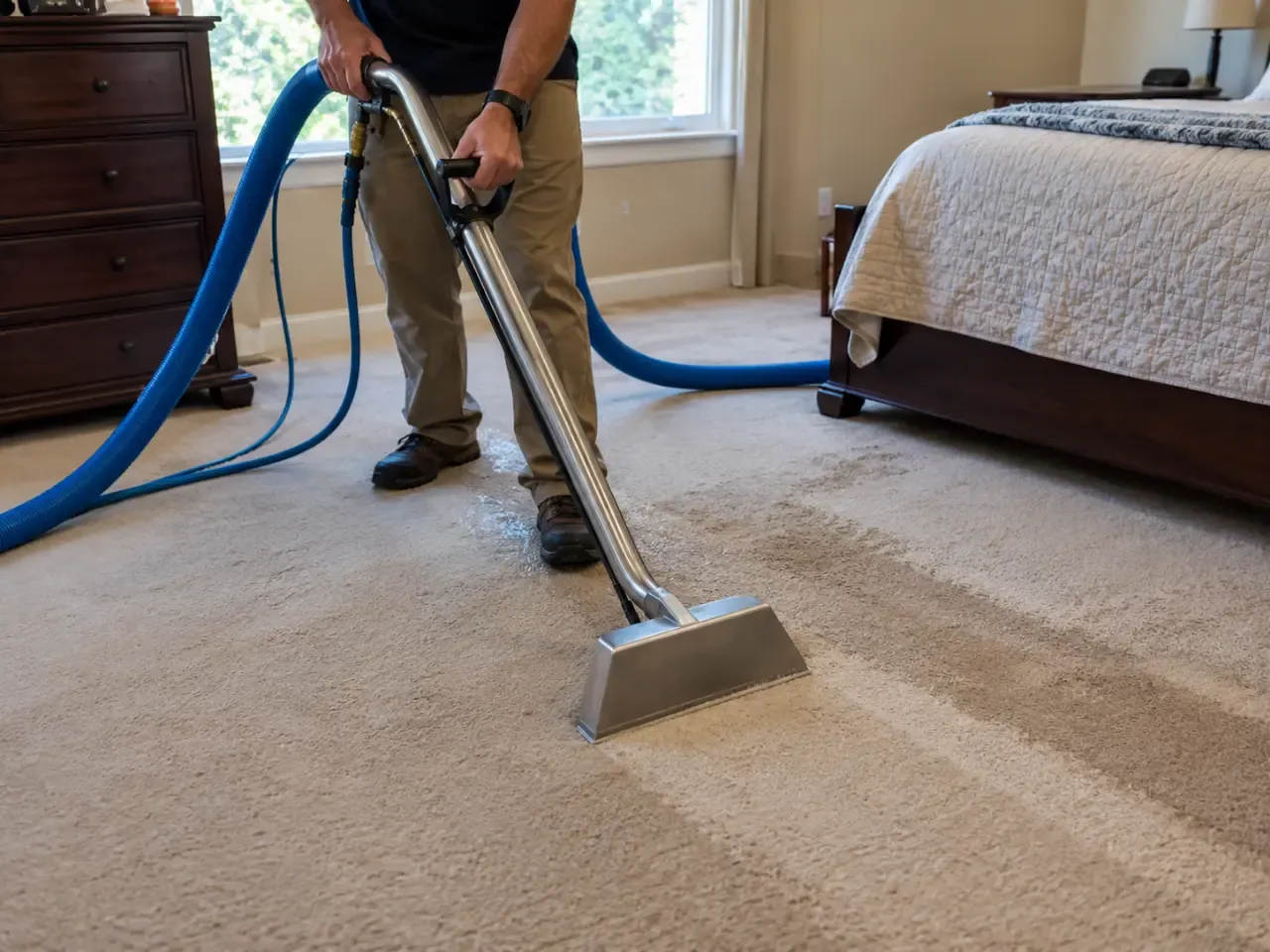
Emergency Water Extraction
When water is still standing, extraction comes before anything else. We pull it out with truck-mounted units and submersible pumps, often within an hour of your call, so the drying stage can start the same day.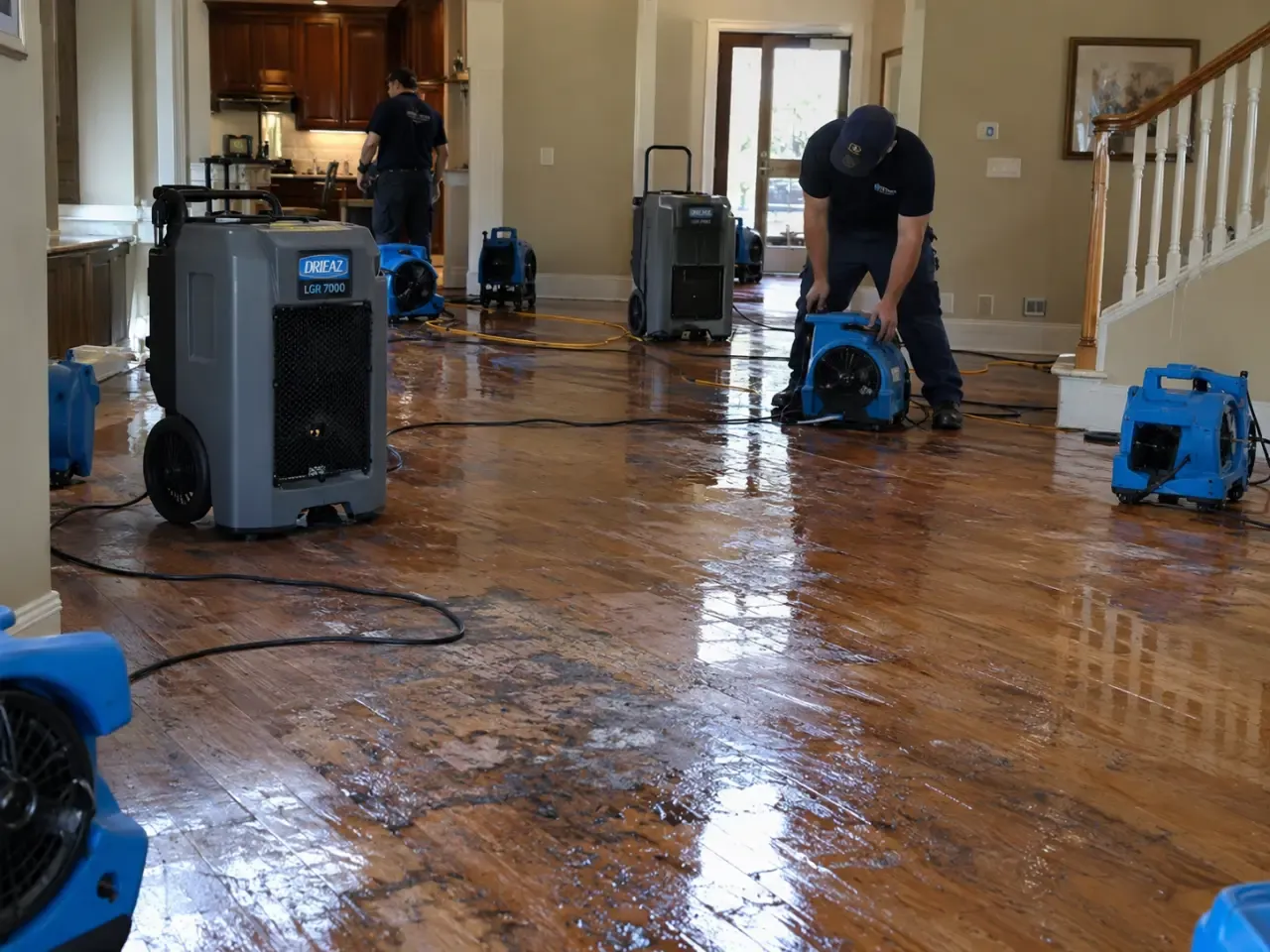
Water Damage Cleanup
After the water is gone, surfaces still need cleaning, sanitizing and repair. This service covers the full scope from wet drywall and insulation removal to final wipe-down, and it pairs directly with our flood water cleanup work.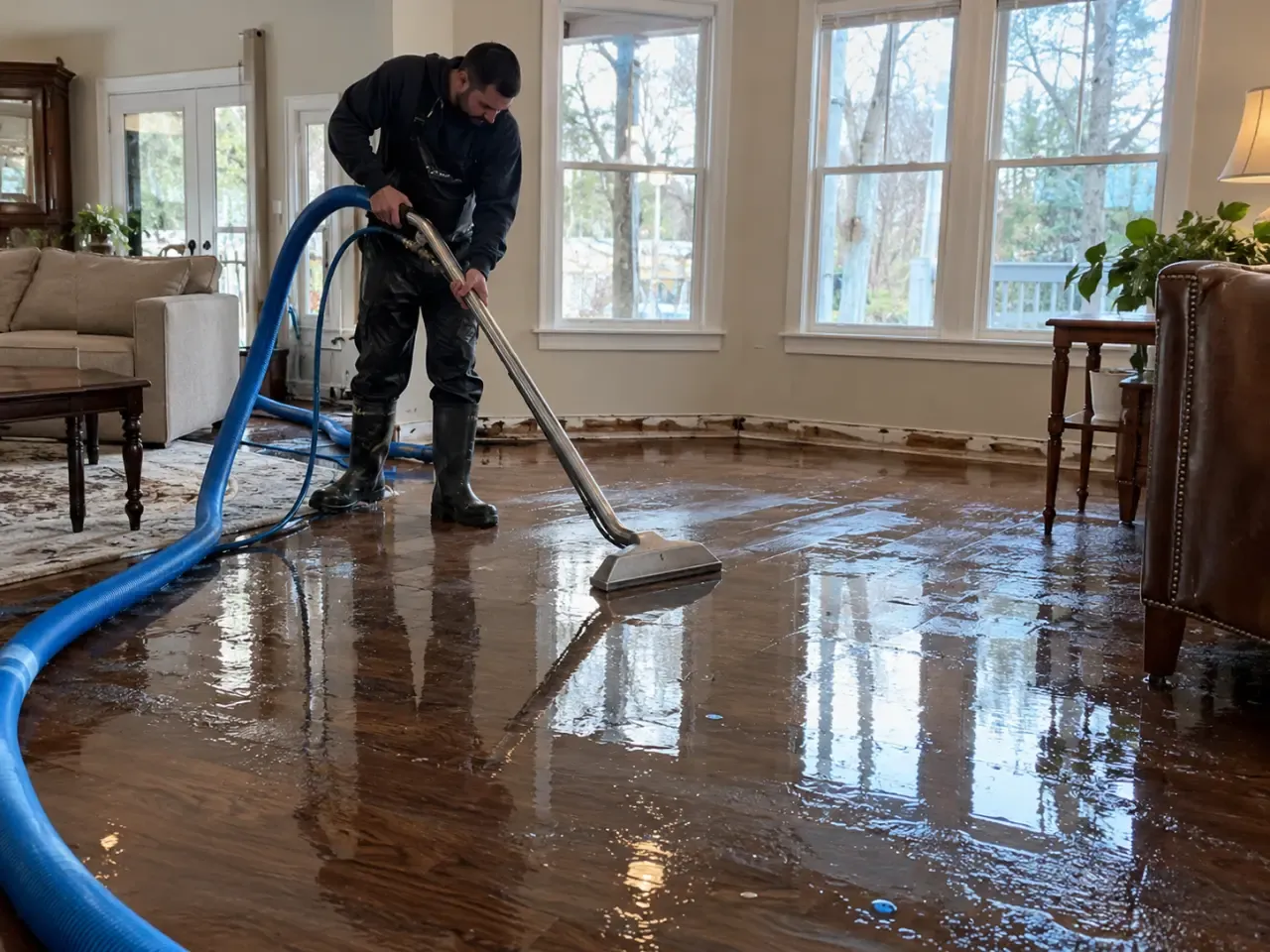
Basement Water Removal
Tulsa basements flood through floor drains, failed sump pumps and foundation cracks. We pump them out, dry the concrete and framing, and check the sump pump components so the next storm does not put you back in the same spot.Ready when you are
Need Flood Water Cleanup Tulsa OK Right Now?
Every hour water sits, the repair bill grows. Call Tulsa Water Shield at (918) 848-9096 for 24/7 emergency floodwater removal in Tulsa OK. IICRC-certified crews, upfront pricing, and drying equipment on the truck when we arrive.
Talk with the local team
Request Flood Water Cleanup
Call (918) 848-9096 any hour of the day or night. We answer live, ask a few questions about the water source, and dispatch a crew. Most Tulsa addresses see a technician within about an hour, and you get a written estimate before any work starts.