24/7 extraction, drying, and documentation for Tulsa businesses
Commercial Water Mitigation in Tulsa that keeps your doors open
When a pipe bursts or a storm pushes water into your building, Commercial Water Mitigation in Tulsa from Tulsa Water Shield gets you dry and back to work. We handle offices, retail, warehouses, and restaurants across Tulsa County with truck-mounted extraction, LGR dehumidifiers, and moisture mapping that holds up to any insurance claim. One call, and we're rolling.
Live dispatcherUpfront optionsBacked workmanship
What's included
What Commercial Water Mitigation in Tulsa Includes
Every job starts with a full inspection and a written scope, so you know what's covered before we touch a thing. Here's what comes standard on a Tulsa Water Shield commercial water loss, and what we quote separately if the damage calls for it.
24/7 Emergency Dispatch
A live dispatcher answers your call any hour, any day. We roll a crew with extraction equipment loaded and target on-site arrival within 60 to 90 minutes across Tulsa County. No answering service, no next-morning callback.
Thermal Inspection & Moisture Mapping
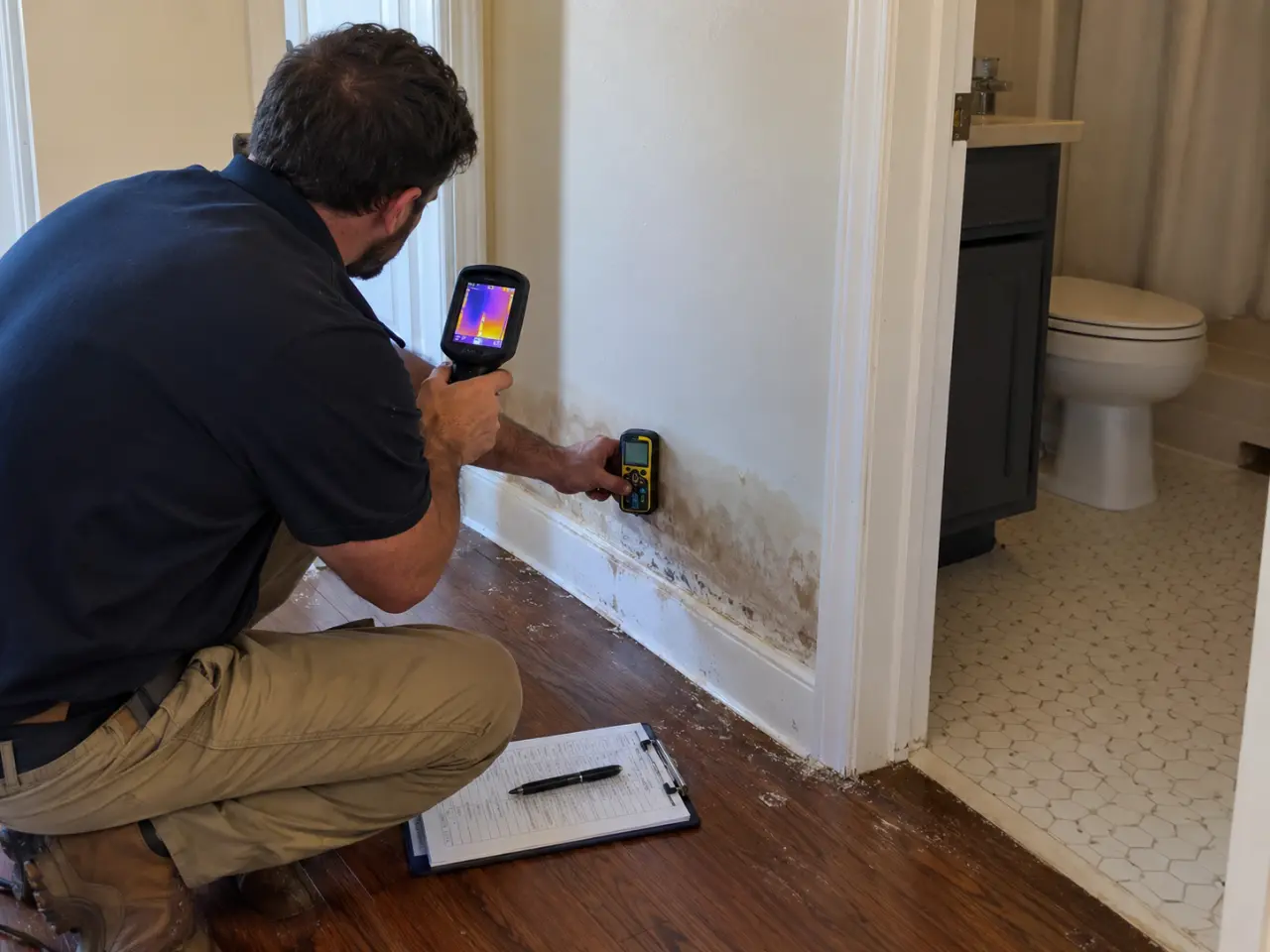
We use thermal imaging cameras and pin and pinless moisture meters to find water behind walls, under subflooring, and inside ceiling cavities. You get a written map of wet zones and the water category before extraction begins.
Extraction & Structural Drying
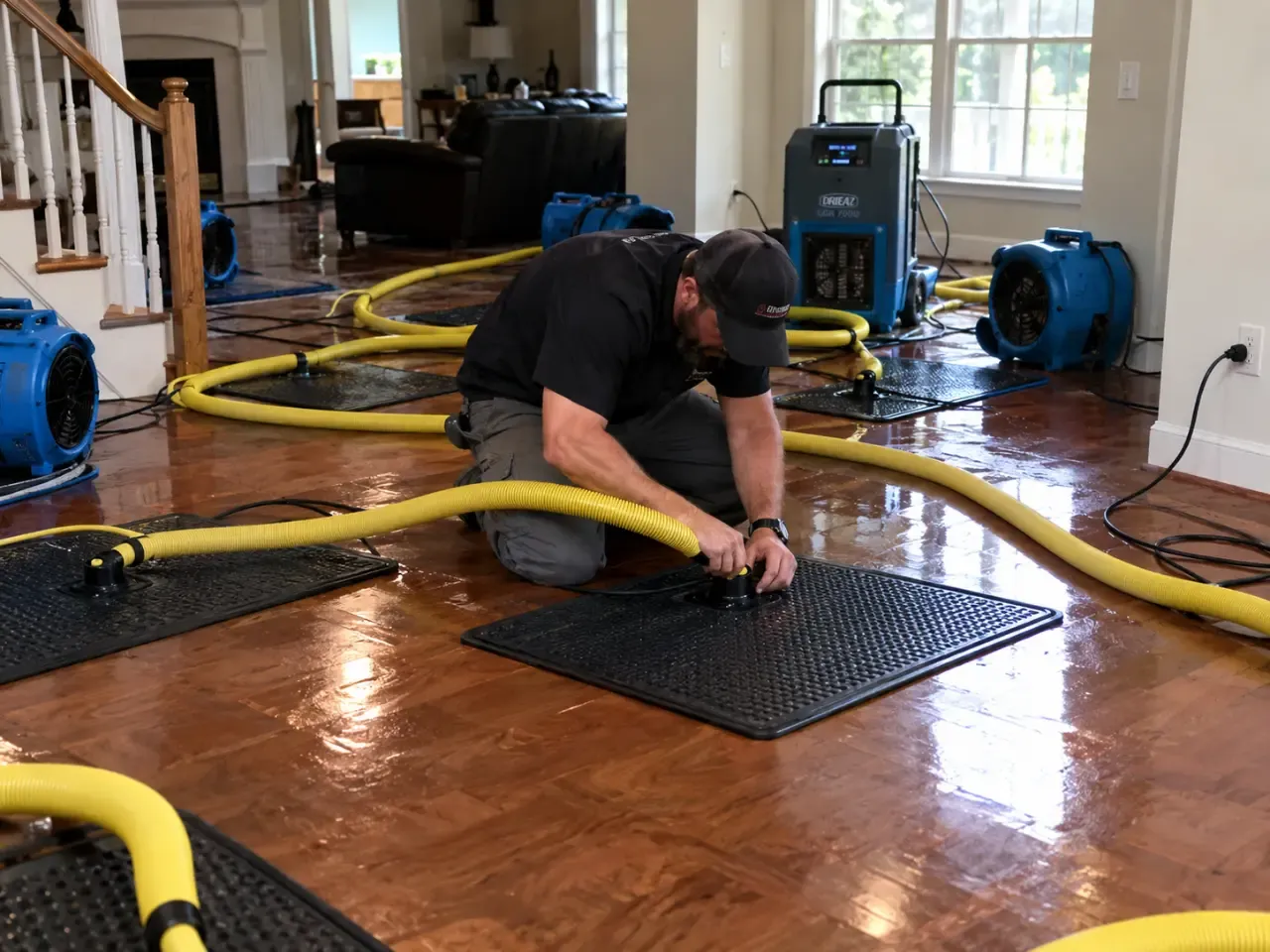
Truck-mounted water extraction units and submersible pumps remove standing water, then LGR dehumidifiers and air movers dry the structure. We monitor with hygrometers and infrared thermometers twice daily until materials hit dry standard.
Containment & Antimicrobial Treatment
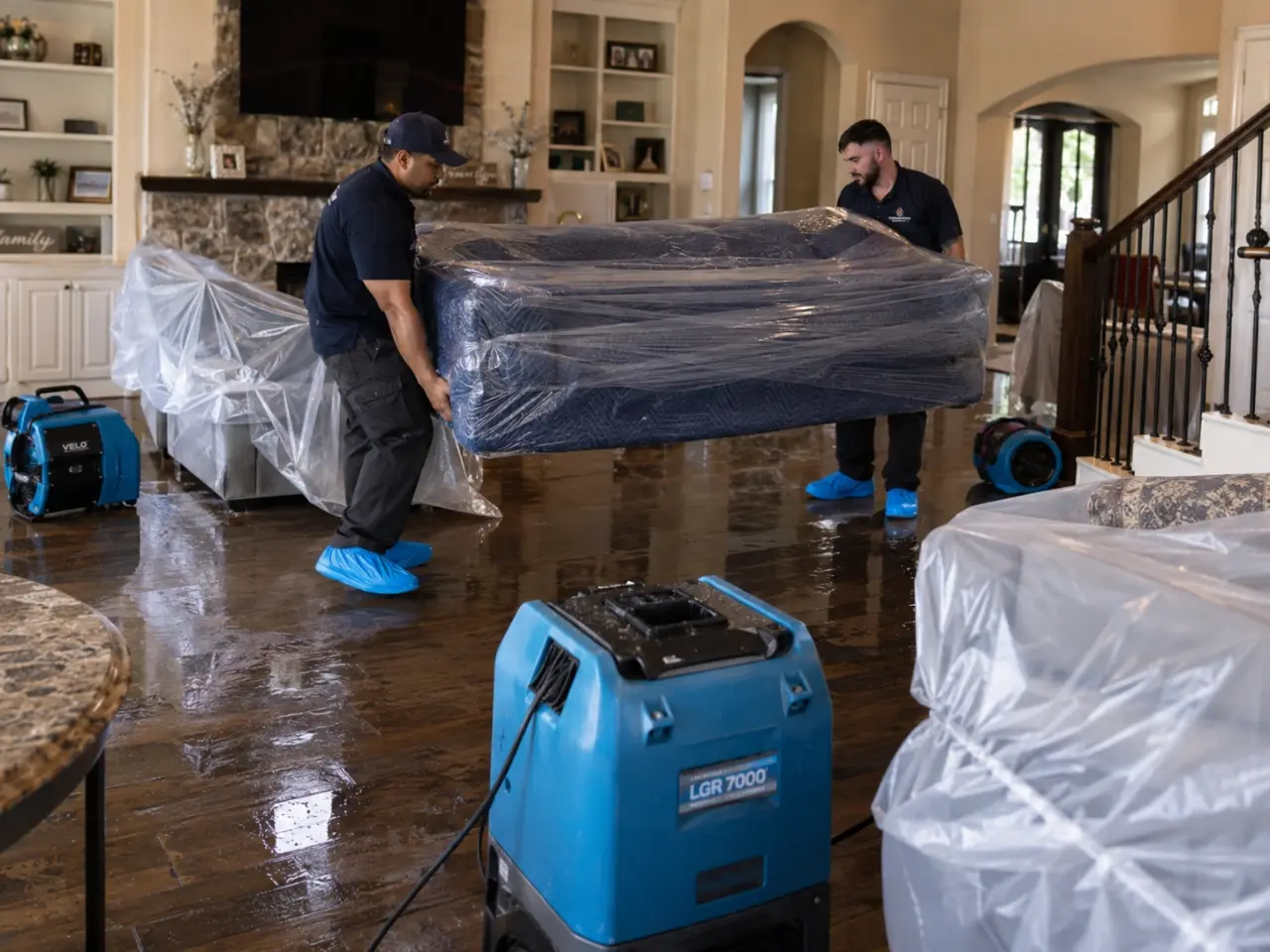
On contaminated losses, we build polyethylene containment sheeting and run HEPA air scrubbers to keep dust and spores out of clean zones. Antimicrobial disinfectant goes down after extraction to stop microbial growth before it starts.
Insurance Documentation & Direct Billing
Every moisture reading, photo, and equipment log goes into a claim-ready file. We bill your carrier directly when coverage applies and walk your adjuster through the scope so approvals move without back-and-forth.
Final Dry Verification
We don't pull equipment until materials read at or below the ANSI/IICRC S500 dry standard. You get a final report with readings, photos, and any flagged materials that need replacement before your contractor steps in.
Service overview
What Commercial Water Mitigation in Tulsa Actually Involves
Commercial Water Mitigation in Tulsa is the process of stopping water intrusion, extracting standing water, and drying a commercial building's structure and contents before secondary damage sets in. It is not a shop vac and a box fan. We use truck-mounted water extraction units, submersible pumps, and thermal imaging cameras to find water hiding behind walls, under subflooring, and inside ceiling cavities. Then we place LGR dehumidifiers and air movers calibrated to the square footage, and we log moisture readings daily until the building hits dry standard.
Tulsa buildings take on water in predictable ways. Spring storms drive rain through roof penetrations and window seals. Summer humidity slows drying if the HVAC isn't balanced. Winter freezes split pipes in unheated warehouse bays and back-of-house utility rooms. We see sewage backups in older Midtown properties where cast iron drain lines have finally given out. If you search for 24/7 commercial water mitigation near me in Tulsa during a 2 a.m. pipe failure, you get a live dispatcher, not a voicemail.
How we workWe verify the cause, compare realistic options, and confirm the repair before we leave.
The service timeline
Our Commercial Water Mitigation Process
The process flexes to the condition, but these checkpoints keep decisions clear.
Emergency Call & Dispatch
You call (918) 848-9096 and reach a live person, day or night. We ask what flooded, where the water is coming from, and whether the source is stopped. A crew rolls with extraction equipment loaded. Most Tulsa-area commercial calls get a technician on site within 60 to 90 minutes.
Inspection & Moisture Mapping
We walk the building with thermal imaging cameras and pin and pinless moisture meters, checking walls, ceilings, subflooring, and insulation. You get a written scope showing wet zones, the water category, and the equipment plan. This inspection takes 45 to 90 minutes on a typical commercial floor.
Water Extraction
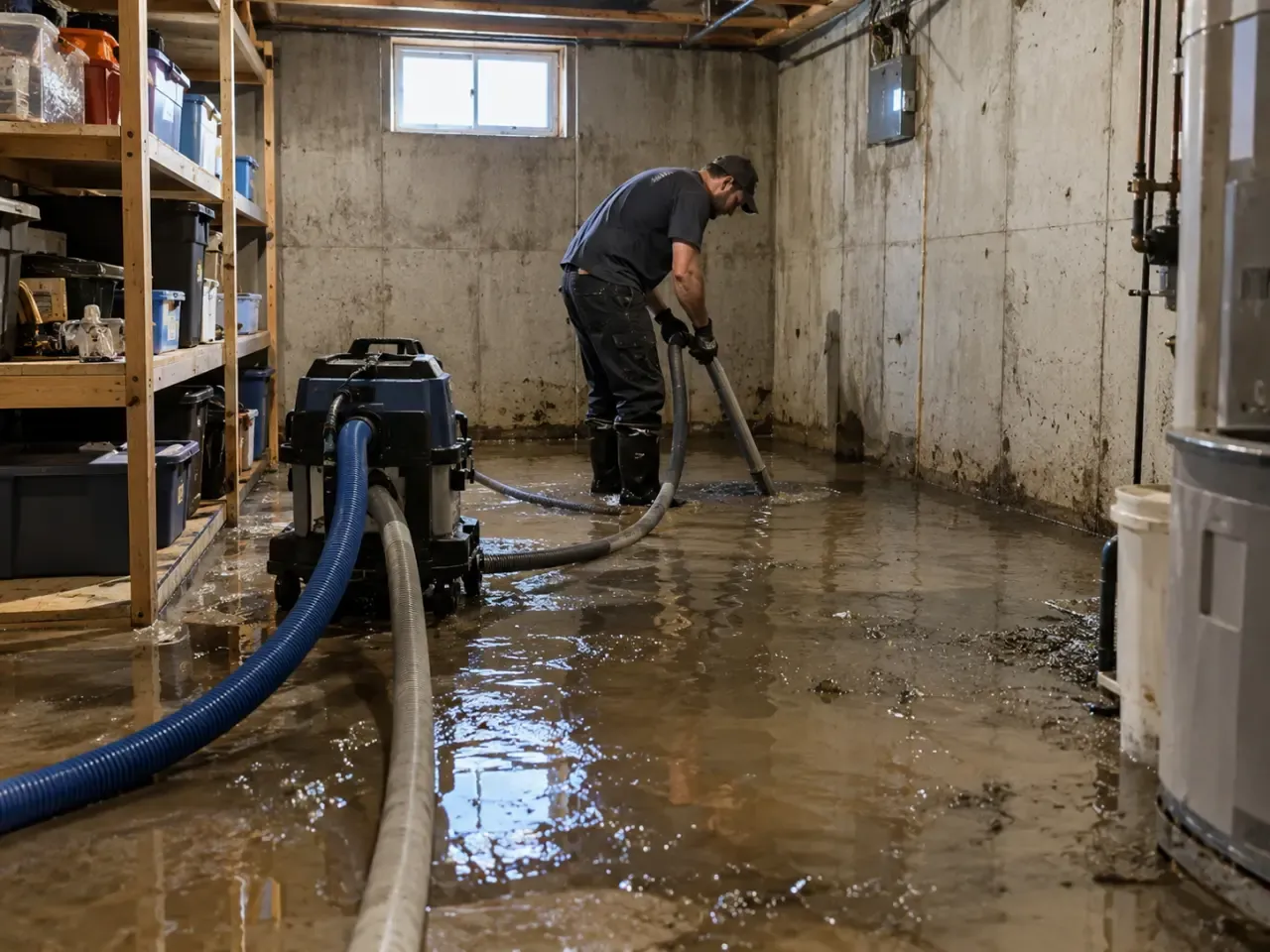
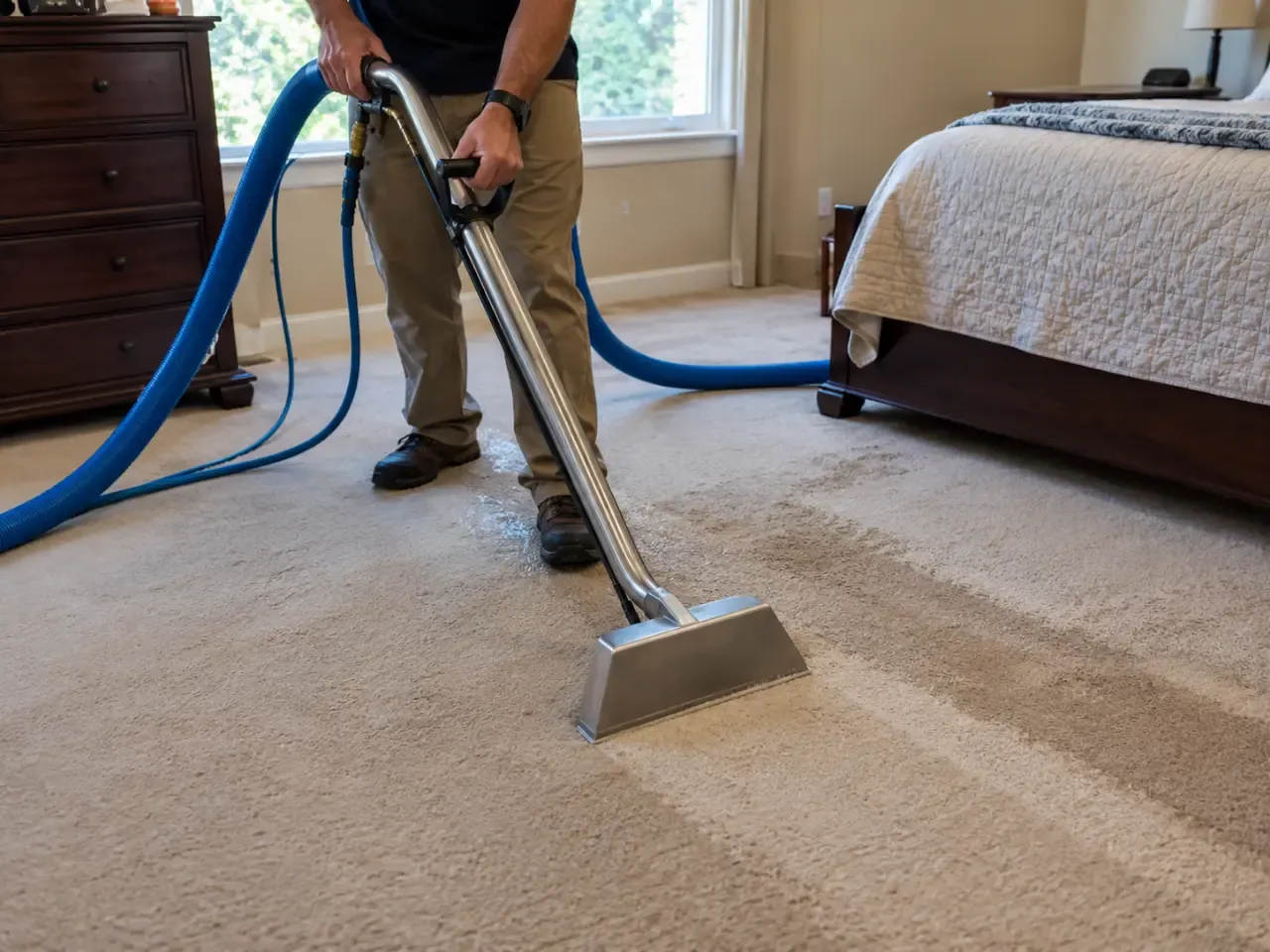
Truck-mounted water extraction units pull hundreds of gallons fast, and submersible pumps handle standing water in basements and loading docks. Portable carpet extractors clean carpet and padding we can save. We extract until the floor reads damp, not soaked, then move straight to drying setup.
Drying & Dehumidification
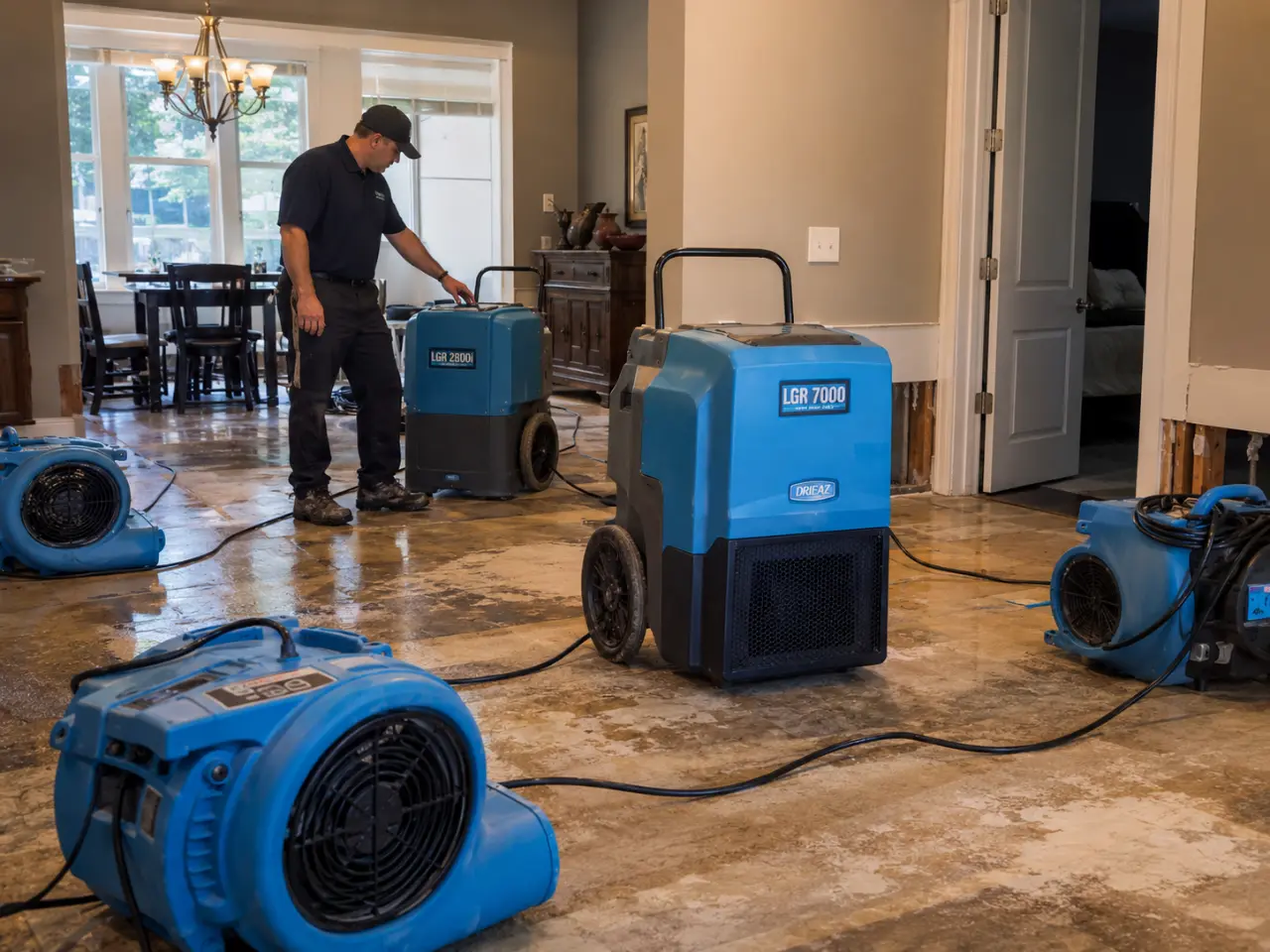
We position LGR dehumidifiers and air movers to create a drying vortex across the wet assembly. Desiccant units go in for hard-to-dry cavities. We monitor with hygrometers and infrared thermometers twice daily, adjusting equipment as readings drop. Most commercial losses hit dry standard in three to five days.
Verification & Handback
We don't pull equipment until materials read at or below the dry standard set by ANSI/IICRC S500. You get a final moisture report, photos, and equipment logs. If any material needs replacement, we flag it before we leave so your contractor can schedule without guesswork.
Tools & methods
Tools and Methods We Use
Purpose-built equipment, used by trained technicians, so the job is done accurately the first time.
Truck-mounted water extraction unit
Pulls hundreds of gallons of standing water fast from large commercial floors, carpet, and hard surfaces. It's the first machine on site and the reason we can start drying the same day.
LGR dehumidifier (Dri-Eaz, Phoenix Restoration Equipment)
Removes moisture from the air so wet materials release water faster. We size the count to the cubic footage of the affected zone, not to what fits on one truck.
Air mover (XPOWER, B-Air)
Creates airflow across wet surfaces to speed evaporation. Placement is calculated to build a drying vortex across the whole assembly, including behind baseboards.
Thermal imaging camera (FLIR)
Reveals temperature differences that expose hidden moisture inside walls, ceilings, and subflooring without opening them up. It's how we find water you can't see.
Pin and pinless moisture meter (Protimeter, Tramex)
Measures moisture content in drywall, wood, and concrete. We log readings twice daily to track drying progress and confirm when materials hit dry standard.
Injectidry Systems
Forces dry air directly into wall cavities and under flooring to dry assemblies that would otherwise need demolition. It saves finished surfaces on commercial build-outs.
HEPA air scrubber
Filters airborne dust, spores, and particulates during containment work. Essential on sewage and mold-related losses where air quality matters to occupants.
Use cases
When Tulsa Businesses Call Us
These examples show how the service framework adapts rather than forcing every call through one repair.
Brookside Restaurant Storm Drain Backup
A spring storm overwhelmed the street drain and pushed two inches of Category 3 water into a Brookside restaurant's dining room and back-of-house. The loss happened at 9 p.m. after close, with the next lunch service 15 hours away. → We contained the back-of-house, removed contaminated carpet padding, disinfected with antimicrobial products, and dried the dining room overnight. The restaurant opened for lunch on schedule. Final readings confirmed dry standard in three days.
Woodland Hills Warehouse Pipe Split
A frozen pipe split in an unheated warehouse bay and released water across 6,000 square feet of concrete floor and inventory staging area. The building had no floor drain in that section, so water pooled against racking legs. → We pumped out with submersible units, set desiccant dehumidifiers to handle the open volume, and dried the concrete to 12% moisture content in five days. No inventory was lost beyond directly soaked pallets.
Problems we solve
Commercial Water Problems We Solve in Tulsa
Most commercial water losses in Tulsa trace back to one of a handful of causes. Here's what we see, what happens if it's ignored, and how we fix it.
Burst or leaking pipes inside walls and ceilings
We locate the leak with thermal imaging, stop the source, and use Injectidry Systems to dry inside wall cavities without tearing out more than necessary. Antimicrobial disinfectant goes down before we close anything up.
Sump pump failure flooding basements and crawlspaces
We pump out with submersible units, dry the concrete and framing with LGR dehumidifiers, and inspect sump pump components so you know whether the failure was mechanical or power-related. Most basements dry in three to four days.
Sewage backups and sewer overflows
We build polyethylene containment, remove contaminated materials, run HEPA air scrubbers, and treat with antimicrobial disinfectant. Drying starts only after the space is clean. We follow ANSI/IICRC S520 when mold is present.
Stormwater intrusion through roofs and windows
We trace intrusion points with infrared thermometers and moisture meters, extract what's pooled, and dry the assemblies. We flag roof and window defects so your contractor can seal them before the next storm.
Pricing process
Commercial Water Mitigation Pricing in Tulsa
$2,500 - $15,000 depending on scope
Affected square footage
A 1,000-square-foot office loss needs far less equipment and drying time than a 10,000-square-foot warehouse floor. Square footage drives dehumidifier count, air mover count, and how many days we monitor.
Water category
Clean water from a supply line is the cheapest to handle. Category 3 water from sewage or stormwater adds containment, material removal, and full disinfection, which raises labor and disposal costs.
Drying duration
Most commercial losses dry in three to five days. Thick concrete slabs, dense hardwood, and buildings with poor HVAC balance can push that to seven or more, and each extra day adds monitoring and equipment time.
Who provides 24/7 commercial water mitigation in Tulsa?
Tulsa Water Shield provides 24/7 commercial water mitigation in Tulsa, with live dispatch at (918) 848-9096 every day of the year. We keep crews on call for overnight pipe breaks, storm intrusion, and sewage backups. Most Tulsa-area commercial calls get a technician on site within 60 to 90 minutes, and we start extraction the moment we arrive. You never get a voicemail when your building is taking on water.
How can a business reduce downtime after water damage?
The fastest way to cut downtime is to call for emergency business water removal in Tulsa OK within the first hour, before water wicks into drywall and subflooring. We then stage drying equipment around your operating hours and isolate wet zones with containment so the rest of the building stays usable. On many commercial losses, we dry overnight and your team opens on schedule the next morning.
Does commercial water restoration include moisture monitoring?
Yes. Every commercial water damage restoration in Tulsa OK job includes daily moisture monitoring with pin and pinless moisture meters, hygrometers, and thermal imaging cameras. We log readings twice a day and adjust dehumidifier and air mover placement as materials dry. You receive the full log at closeout, which is the documentation your insurance adjuster needs to approve the claim without a fight.
How much does commercial water mitigation cost in Tulsa OK?
Most commercial water mitigation jobs in Tulsa run $2,500 to $15,000 depending on square footage, water category, and how long drying takes. A small office extraction and dry-out sits near the low end; a multi-floor flood with sewage contamination lands higher. We give you a written scope and price before work starts, and we bill carriers directly when your policy covers the loss.
Related services
Related Services
Emergency Water Extraction
When a pipe lets go, emergency water extraction is the first move. We pull standing water with truck-mounted units and submersible pumps, then hand the floor to our drying crew. It's the front half of every Commercial Water Mitigation in Tulsa job we run.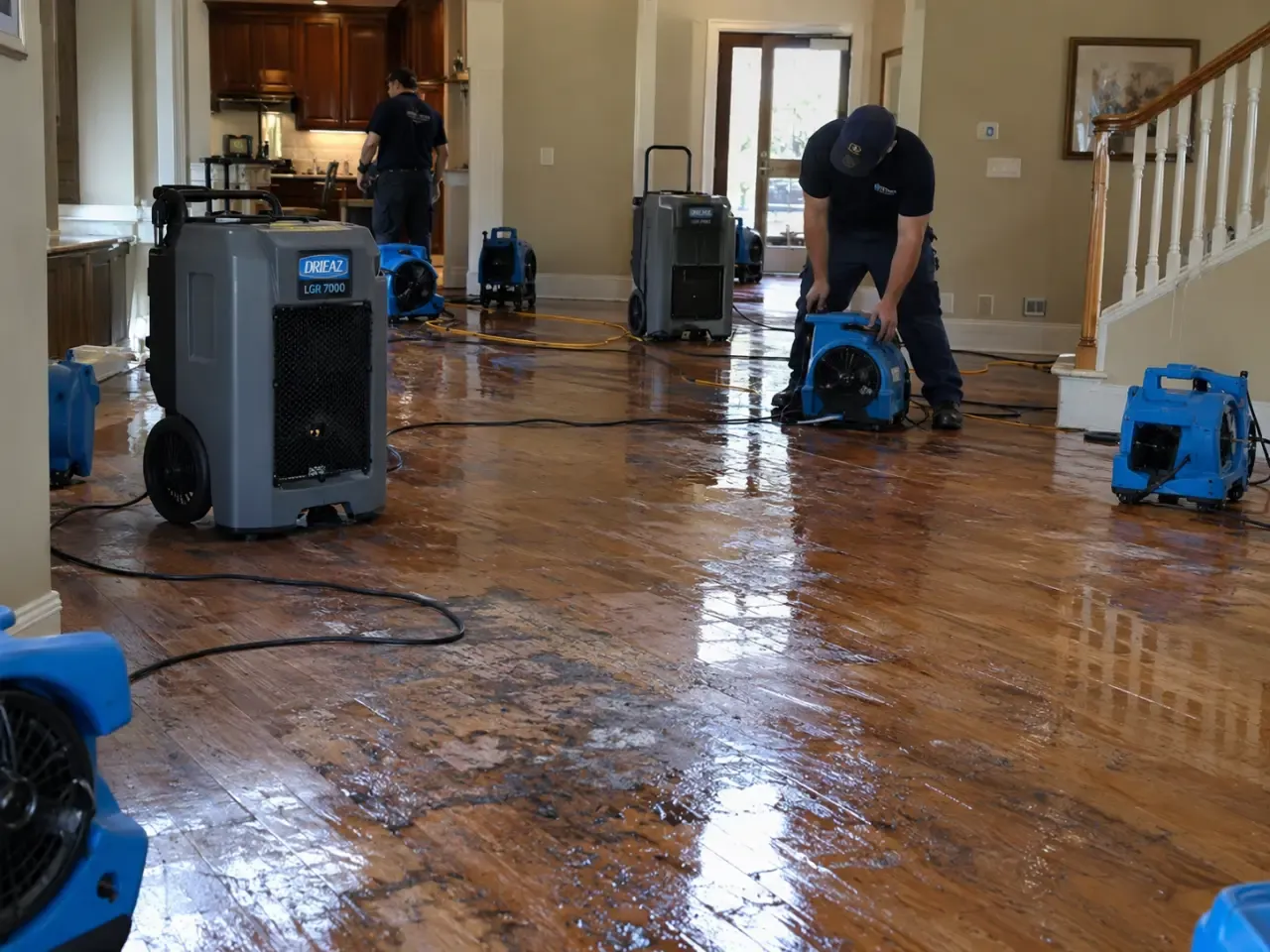
Water Damage Cleanup
Water damage cleanup covers what extraction leaves behind: contaminated materials, wet insulation, and soiled carpet padding. We remove what can't be saved, disinfect what can, and prep the structure for drying. It pairs directly with our commercial water mitigation Tulsa service.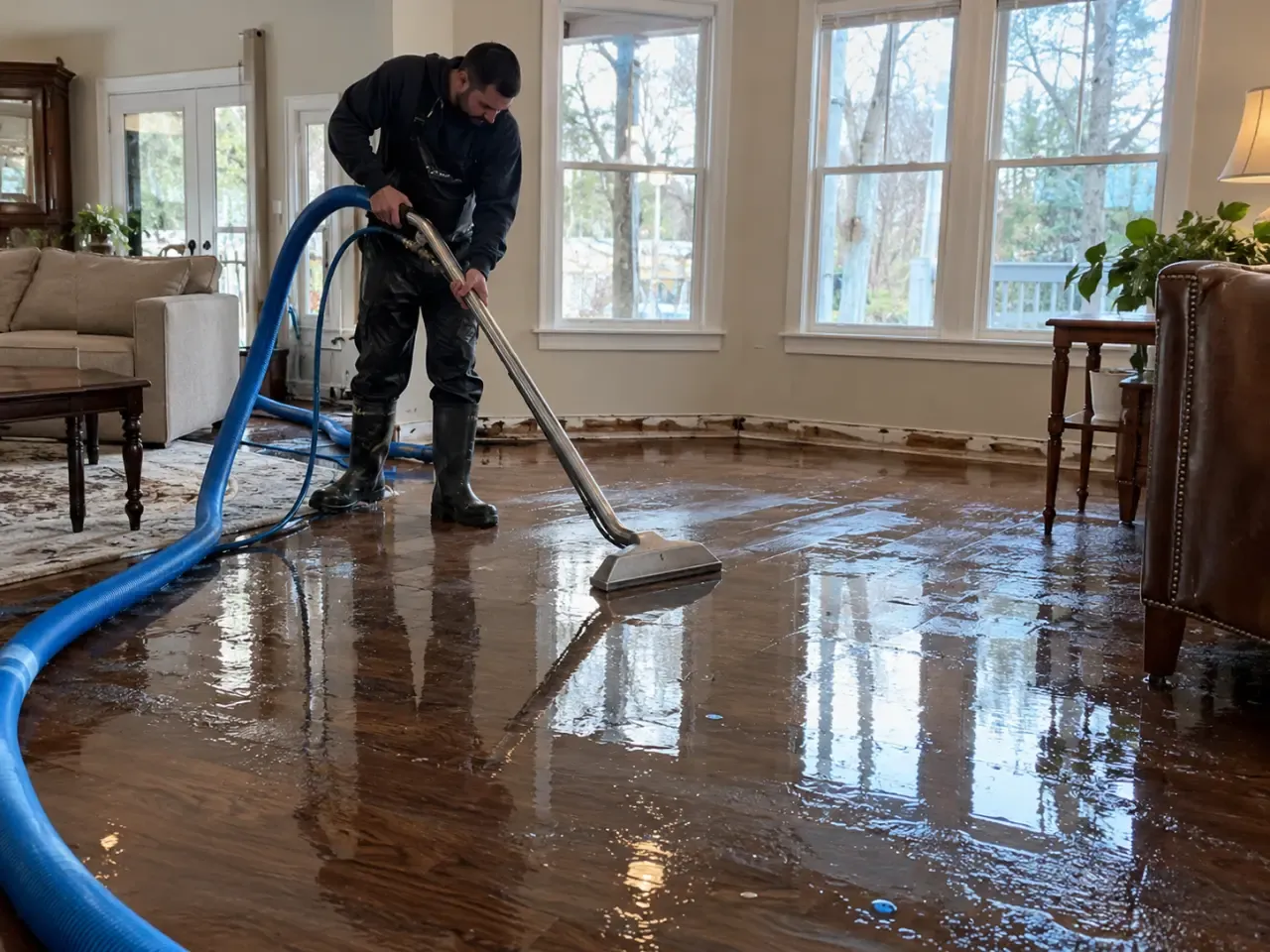
Basement Water Removal
Tulsa commercial basements flood from sump pump failure and stormwater intrusion. We pump them out, dry the concrete and framing, and check sump pump components before we leave. Many Midtown and downtown buildings need this alongside full Commercial Water Mitigation in Tulsa.Ready when you are
Get Commercial Water Mitigation in Tulsa Started Now
Every hour water sits, the repair bill grows. Call Tulsa Water Shield at (918) 848-9096 for 24/7 dispatch, a written scope before work starts, and direct insurance billing. We're licensed, insured, and IICRC certified.
Talk with the local team
Request Commercial Water Mitigation
Call (918) 848-9096 any hour of the day or night. We answer live, ask a few questions about the water source, and dispatch a crew. Most Tulsa addresses see a technician within about an hour, and you get a written estimate before any work starts.